

Bali is a paradise not only for its breathtaking landscapes but also for its rich culinary heritage. The island’s cuisine is a vibrant tapestry woven with the threads of traditional spices, unique cooking techniques, and deep cultural significance. Among the most iconic dishes that define Balinese gastronomy are babi guling, lawar, and sate lilit. These three staples offer a glimpse into the heart of Balinese culture, where food is more than just sustenance—it’s a celebration of life, tradition, and community.
Babi Guling: The Crown Jewel of Balinese Cuisine
No visit to Bali would be complete without experiencing babi guling, the island’s most famous dish. This spit-roasted suckling pig is a culinary masterpiece, known for its crispy, golden skin and tender, flavorful meat. The preparation begins with a careful selection of young pigs, which are then marinated with a blend of Balinese spices such as turmeric, garlic, ginger, lemongrass, and coriander. The mixture is rubbed into the meat and cavity, and the pig is slow-roasted over an open flame, often using wood or coconut husks for added flavor.
The result is a dish that balances crispiness with succulence, with each bite offering a harmonious blend of smoky, spicy, and aromatic notes. Babi guling is typically served with steamed rice, lawar (a minced vegetable and meat salad), and sambal matah (a fresh chili relish). It’s a dish that not only delights the palate but also holds deep cultural significance, often featured in ceremonies and special occasions.
Where to Try:
– Warung Ibu Oka in Ubud
– Babi Guling Pak Malen in Seminyak
Lawar: A Symphony of Flavors and Textures
Lawar is a traditional Balinese dish that showcases the island’s love for bold flavors and diverse ingredients. This minced vegetable and meat salad is a staple in both everyday meals and ceremonial feasts. The base of lawar typically includes a mix of vegetables like cabbage, carrots, and eggplant, combined with minced meat—often pork or chicken. The dish is then seasoned with a paste of spices, including turmeric, garlic, shallots, and chili, giving it a vibrant, earthy flavor.
What makes lawar truly unique is its texture. The combination of crunchy vegetables, tender meat, and the zesty punch of chili creates a mouthwatering experience that is both satisfying and refreshing. In some regions, lawar may also include coconut, eggs, or even blood, adding layers of complexity to the dish.
Why It’s Special:
– Lawar is often prepared during religious ceremonies and is considered a sacred offering.
– It reflects the balance of sweet, salty, sour, and spicy flavors that are central to Balinese cuisine.
Sate Lilit: A Unique Take on Satay
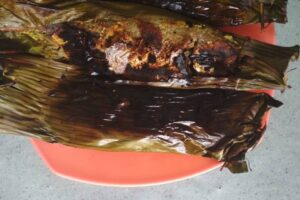
While sate lilit may resemble traditional satay, it is distinctly Balinese. Unlike other forms of satay, which are made by skewering chunks of meat, sate lilit involves wrapping minced meat around lemongrass stalks or bamboo sticks. The minced meat, usually chicken, fish, or pork, is mixed with coconut, lime leaves, and a variety of spices, creating a fragrant and smoky flavor when grilled.
The grilling process imparts a unique aroma and texture, making sate lilit a favorite among locals and visitors alike. Its presentation is as appealing as its taste, with the lemongrass stems adding a visual element that enhances the overall dining experience.
Where to Try:
– Sate Plecing Arjuna in Denpasar
– Warung Sate Lilit in Sanur
The Role of Spices in Balinese Cooking
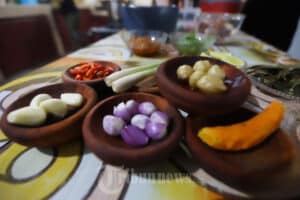
At the heart of every Balinese dish lies a carefully crafted spice paste known as base genep or bumbu. This paste, made from a combination of shallots, garlic, galangal, turmeric, and chilies, serves as the foundation for many traditional recipes. The use of spices is not just about flavor; it is deeply rooted in Balinese culture and spirituality. Spices are believed to have cleansing and protective properties, and their use in cooking is often accompanied by rituals and ceremonies.
The preparation of these spice pastes is a communal activity, especially during large-scale events. Men gather in village halls to chop and mix the spices, a process known as ngeracik basa. This not only ensures the quality of the dish but also strengthens community bonds.
Conclusion
Bali’s culinary traditions are a reflection of its rich cultural heritage, where every dish tells a story and every flavor carries meaning. From the crispy, aromatic babi guling to the vibrant and textured lawar and the uniquely grilled sate lilit, these dishes offer a sensory journey through the island’s history and traditions. Whether you’re dining at a local warung or a high-end restaurant, the flavors of Bali are sure to leave a lasting impression.